Every Canadian D2C business eventually deals with a package that never shows up. What’s less understood is what happens after that and a lot of founders are operating on assumptions that cost them real money. Here are the most common myths about lost package refunds, and what’s actually true.
Myth #1: “The refund happens automatically.”
Reality: Carriers don’t proactively refund you for lost, damaged, or late packages. Canada Post doesn’t issue refunds automatically every eligible claim has to be identified, verified, and submitted within a specific deadline, or the money is gone for good. If nobody on your team is actively auditing shipments and filing claims, you’re simply not collecting refunds you’re entitled to.
Myth #2: “My customer can file the claim since it’s their package.”
Reality: This is one of the most common and costly misunderstandings. Both the sender and the receiver can start an initial inquiry, but only the sender (you, the business) can actually request and receive the claim payment. If your customer files something directly with the carrier, it won’t result in a payout to anyone. That responsibility sits entirely with your business.
Myth #3: “I’ll get the full retail value of the item back.”
Reality: Refunds are based on insured value, not the price your customer paid. Compensation is capped at whichever is lowest: the item’s declared value, the amount of insurance you purchased at shipping time, or the base coverage included with the service often just $100 CAD unless you bought additional coverage. If you’re shipping higher-value products without extra insurance, you could be significantly underinsured without realizing it.
Myth #4: “I have plenty of time to deal with this later.”
Reality: Claim windows are tight and unforgiving. For domestic packages, an investigation has to be started within 90 days of the shipping date. International timelines vary by service some are as short as one day after the expected delivery date. Miss the window, even by a day, and a completely legitimate claim gets denied. “I’ll get to it next month” is often the difference between a refund and a permanent loss.
Myth #5: “A late delivery and a lost package are handled the same way.”
Reality: These are two separate processes with two separate deadlines. Late delivery refunds only apply to services with an On-Time Delivery Guarantee (like Priority or Xpresspost) and must be filed within 30 business days. Lost or damaged packages go through a longer investigation process instead, with a 90-day domestic window. Treating them the same way means you’ll likely file the wrong claim type, or miss the correct deadline entirely.
Myth #6: “If I file a claim, I’ll get paid.”
Reality: Filing isn’t the same as qualifying. Claims commonly get denied for reasons business owners don’t anticipate: using a shipping service with no delivery guarantee, delays caused by weather or customs, an incomplete address, or simply filing after the window closed. Investigations also take time carriers issue an “Expected Resolution Date,” and outcomes depend on what that investigation finds, not just on the fact that you asked.
Myth #7: “This is a Canada Post problem private couriers are simpler.”
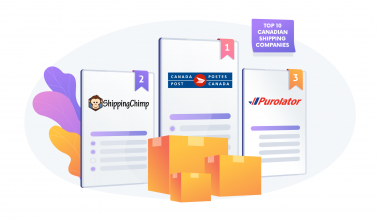
Reality: Purolator, UPS, and FedEx all use a broadly similar model: sender-initiated claims, insured-value-based payouts, and strict documentation windows. The specific deadlines and coverage limits differ by carrier and service tier, but the underlying friction proactive filing, tight timelines, capped payouts is consistent across all of them. Switching carriers doesn’t eliminate this problem; it just changes the fine print.
Myth #8: “This isn’t worth the effort for a small business.”
Reality: It adds up faster than most founders expect. Unaudited shipments with recoverable refunds are estimated at 5–6% of monthly volume. For a business spending $50,000 a month on shipping, that’s $2,500–$3,000 in refunds quietly expiring every single month not because the claims weren’t valid, but because nobody filed them in time.
The Real Takeaway
Lost package refunds aren’t hard to get they’re hard to stay on top of. Every carrier requires you to catch the issue, document it, and file within a narrow window, and most small businesses simply don’t have the bandwidth to audit every shipment manually.
That’s the gap ShippingChimp is built to close flagging eligible late, lost, and damaged shipments automatically so Canadian D2C brands stop leaving recoverable refunds on the table.

- Shipping Myths: What Canadian D2C Brands Get Wrong About Lost Package Refunds - July 13, 2026
- The Complete Glossary of Shipment Tracking Terms - July 8, 2026
- Does DHL Deliver on Weekends in Canada? - June 23, 2026